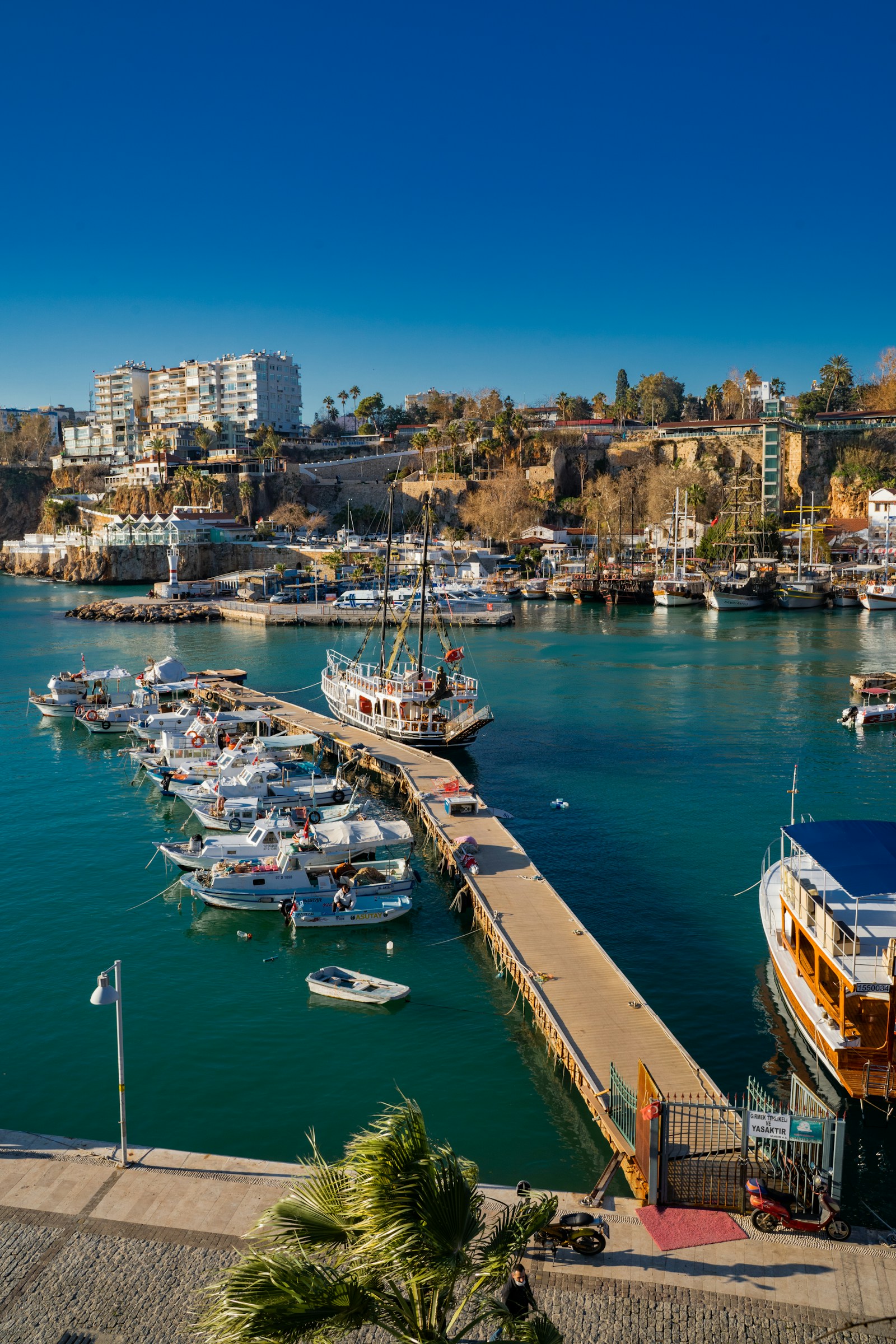
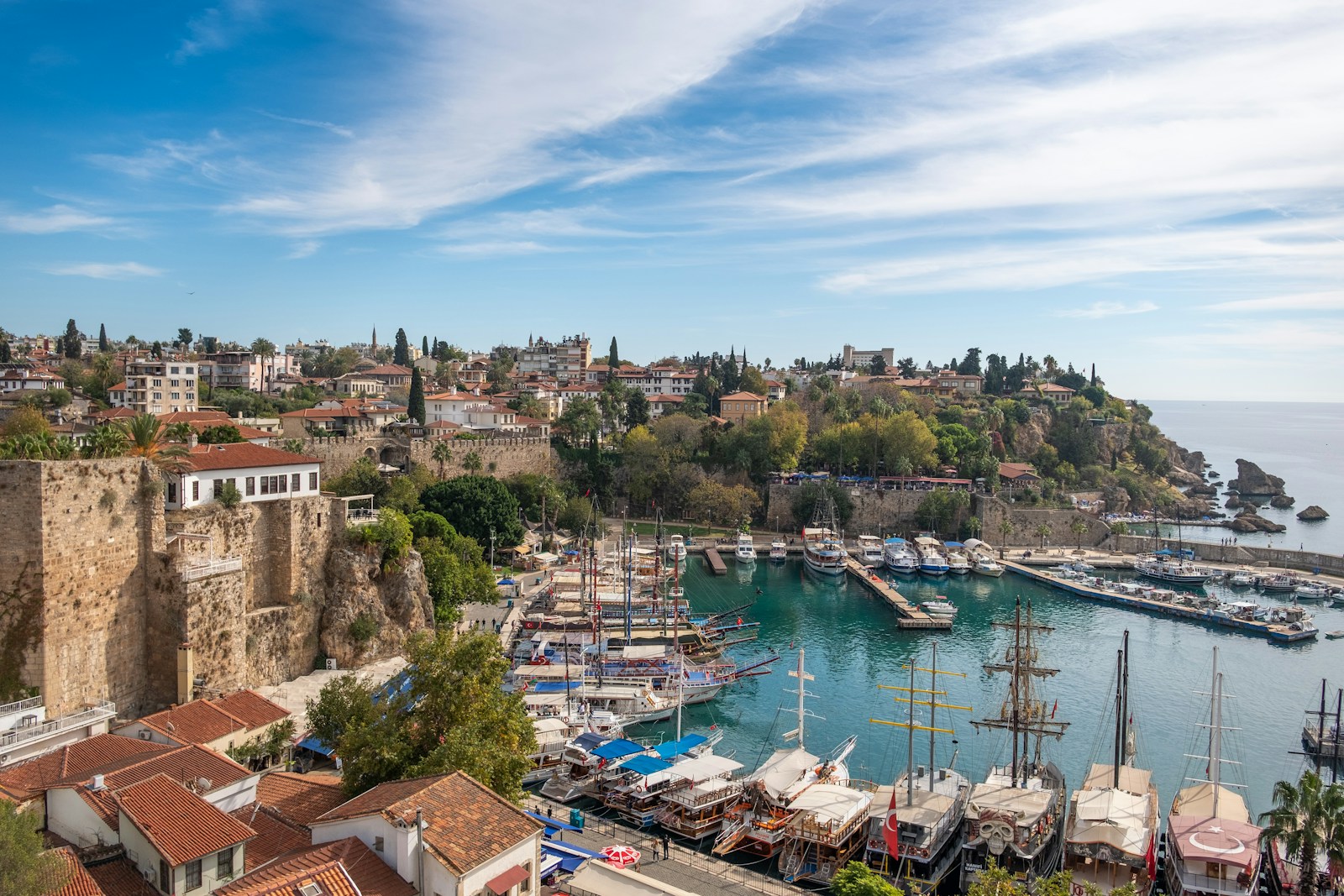
Buyers from Germany, Russia and the Gulf are reshaping Antalya's coastal supply. Where the new launches sit, and where rental yields are heading next.
A Market Reshaped by Foreign Demand
Roughly forty-three percent of all Antalya residential transactions in 2025 closed with a foreign buyer — the highest share of any major Turkish province, and a four-point gain on 2024. The shift has been driven less by speculative capital and more by lifestyle migration: Russians and Ukrainians settled in Germany, Iranians and Iraqis seeking a stable Mediterranean base, and a growing cohort of British and Scandinavian remote workers.
Where the New Supply Is Landing
The development pipeline through 2027 sits at just over twenty-eight thousand new units, concentrated along three corridors. Konyaaltı continues to deliver mid-to-upper sea-view apartments. Belek is moving up-market into branded golf-resort residences. Lara and Aksu are absorbing the bulk of new family-oriented development, including several large-scale projects with on-site international schools. Off-plan reservations are up nineteen percent year-on-year.
Rental Yields, Real Numbers
Gross short-term rental yields in Antalya remained in the seven-to-eleven percent range across 2025, with peak-season summer occupancy above ninety-five percent in well-located stock. Long-term residential rentals hold steadier at five-to-seven percent gross. After Turkey's 2024 short-term-rental licensing reform, professionally managed buildings have seen yields harden rather than soften — the new regulatory framework has effectively removed informal supply and pushed rates upward by twelve to fifteen percent.
Currency, Inflation, and Foreign-Buyer Behaviour
The Turkish lira's continued moderation against the EUR and USD has not slowed foreign demand — quite the opposite. Most foreign buyers price in hard currency, sign in hard currency, and treat the Turkish unit as the underlying asset rather than the unit of account. The result is that lira weakness translates directly into stronger bargaining position, and developers increasingly quote in EUR or USD by default.
What to Expect Through 2026
Three trends are likely to define the coming twelve months. First, branded residences — Hilton, Mandarin Oriental, Marriott Bonvoy — will continue their push along the coast, accounting for an increasing share of premium-segment supply. Second, the citizenship-eligible threshold (USD 400,000) is widely expected to be reviewed in mid-2026, which historically generates a pre-announcement buying surge. Third, the German-resident buyer segment is forecast to grow another twenty percent, reinforcing the Antalya-Düsseldorf-Berlin axis as the dominant foreign-buyer corridor.
A Practical Read on Timing
For buyers weighing whether to act now or wait, the analytical answer leans toward acting now. Yields are firming, supply is concentrated in higher-quality stock, the citizenship threshold has held since 2022 but may not hold much longer, and the foreign-buyer competition for prime sea-view inventory is rising rather than easing. Pala Realty's view, conservatively stated, is that the second half of 2026 will be more expensive than the first.